
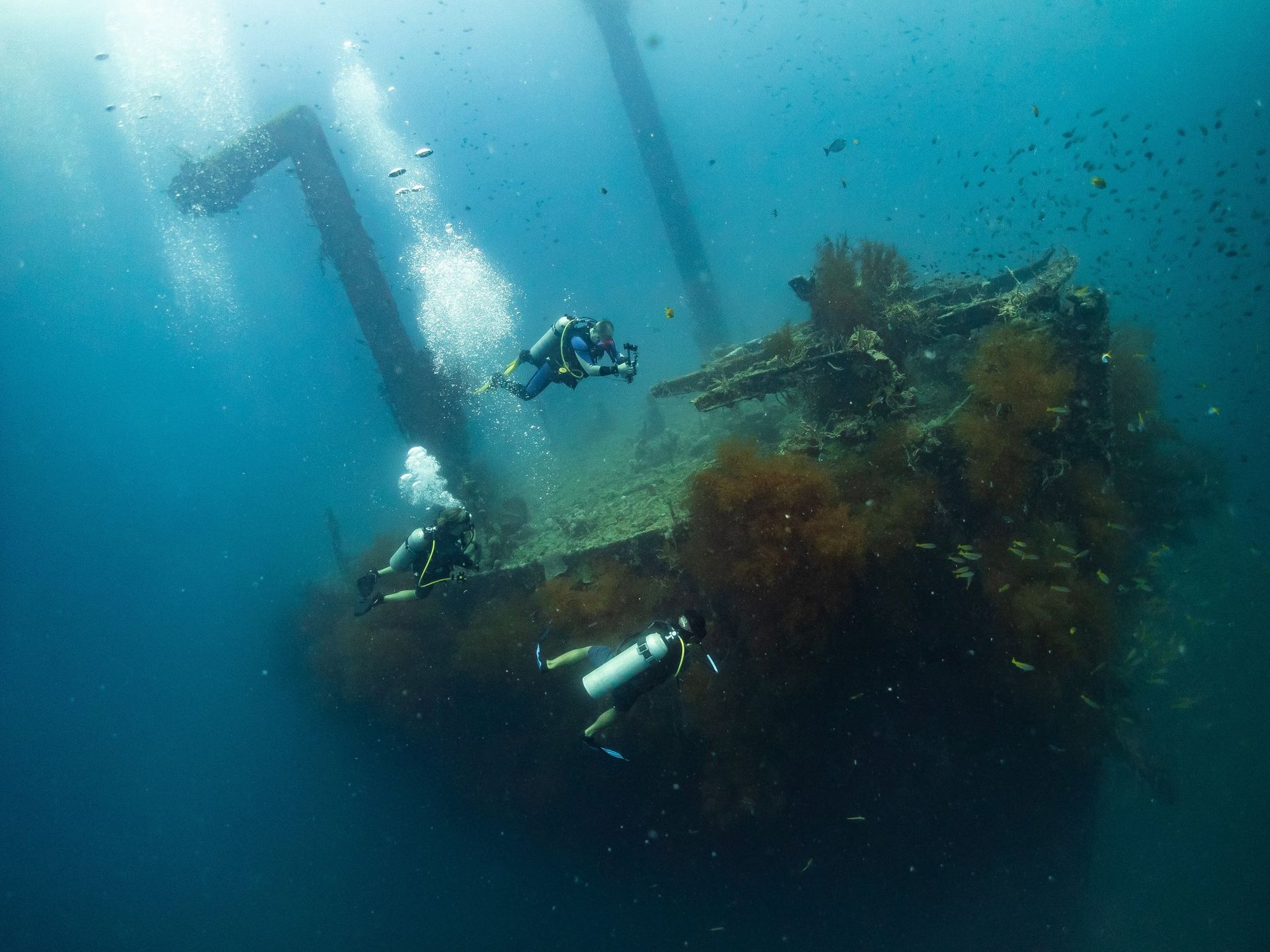
Wreck Diving in Coron, Palawan
On 24 September 1944, American aircraft sank a fleet of ten Japanese supply ships anchored in Coron Bay in a single devastating attack. Today those ships lie on the seabed — some as shallow as 10 metres, others as deep as 43 metres — blanketed in soft coral and teeming with marine life. Coron is consistently ranked among the top five wreck dive destinations in the world, and the wrecks are the reason serious divers from Australia, Europe and the Americas fly specifically to this corner of Palawan every year.
Whether you are an experienced wreck diver chasing the deep and dark Irako, an Open Water diver exploring the vast coral-covered hull of the Okikawa Maru, or a complete beginner taking your first breaths underwater on a Discover Scuba Diving experience, Coron has a wreck for every level. This page covers the key dive sites, what to expect, and how to plan your diving from Corto del Mar Hotel in the heart of Coron Town.
The Wrecks
Explore Coron Bay’s famous shipwrecks, each with unique stories and depths.
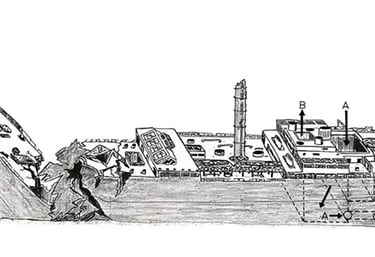
Irako
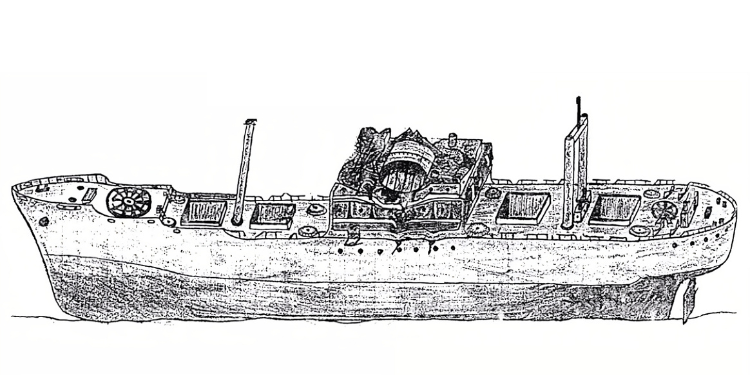
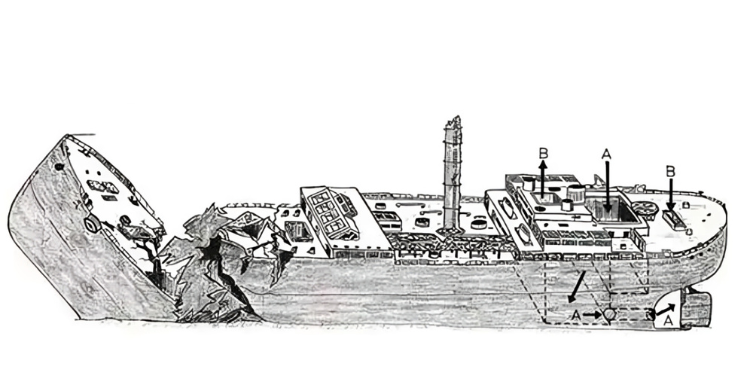
Depth: 34–43m | Length: 147m
Widely considered the jewel of Coron's wreck diving. The Irako was a Japanese refrigeration ship and sits virtually upright on the seabed, remarkably intact after more than 80 years. Its maze of passageways, cargo holds and engine rooms are lined with soft corals and alive with jacks, groupers and lionfish. Visibility at this site is typically the best of all Coron wrecks due to its exposed position.
Okikawa Maru
Depth: 10–26m | Length: 168m
The largest wreck in Coron Bay and the most accessible. A Japanese oil tanker sunk on 24 September 1944, the Okikawa Maru lies upright with its main deck at just 10–16 metres — making it a perfect first wreck for Open Water certified divers. The hull is encrusted in black coral, sponges and colourful soft corals, with large schools of batfish and snappers regularly patrolling the structure.
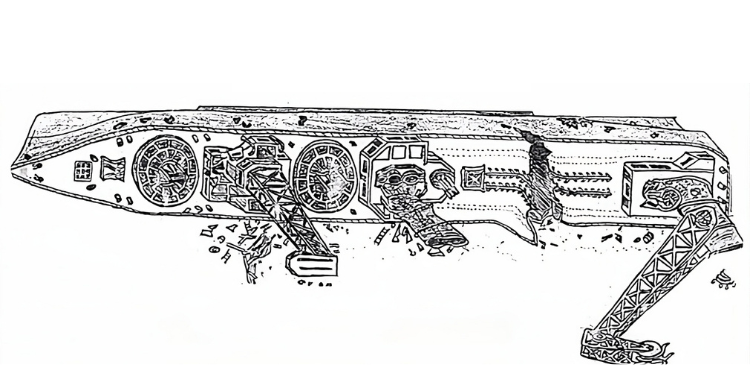
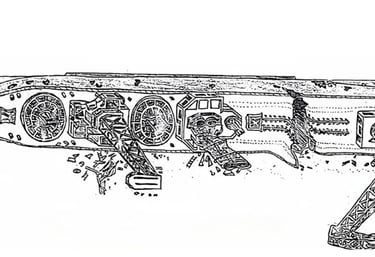
Akitsushima
Depth: 25–35m | Length: 118m
The only true warship among Coron's wrecks — a Japanese seaplane tender that went down fighting, meeting the incoming US bombers with anti-aircraft fire before being struck on the port side. The ship's crane is still clearly visible on the deck, and AA guns can be seen on the seabed beside the hull. The Akitsushima lies on its port side in a narrow channel between two islands, with dramatic light shafts illuminating the engine room from above.
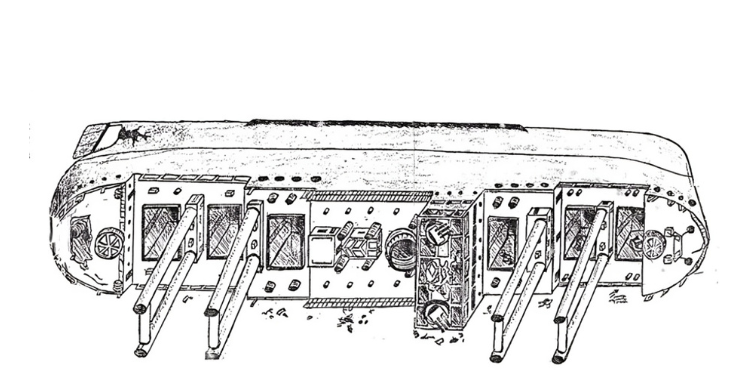
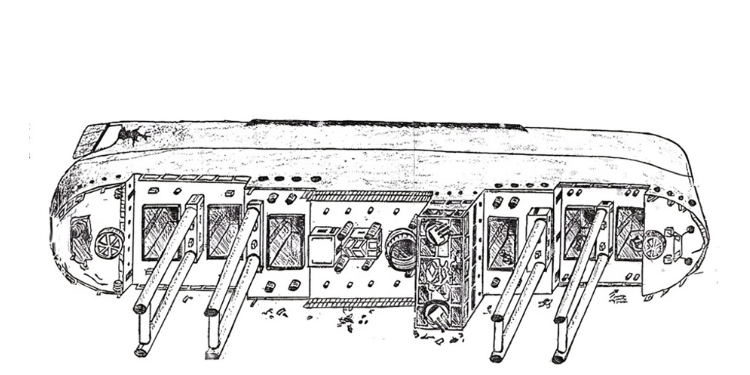
Kogyo Maru
Depth: 14–30m | Length: 129m
A large Japanese freighter carrying construction materials for the Japanese war effort in the Pacific. The Kogyo Maru offers a wide range of penetration possibilities across multiple decks and is large enough to fill several separate dives without repeating the same sections. The wreck is home to an impressive diversity of marine life including crocodile fish, scorpionfish and nudibranchs.
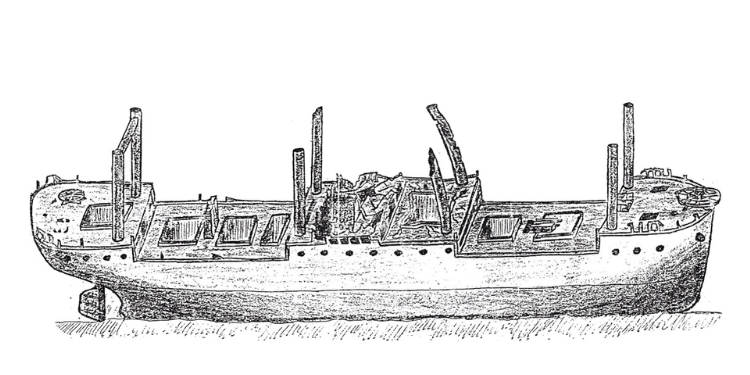
Olympia Maru
Depth: 12–26m | Length: 110m
One of the more accessible wrecks in Coron Bay, the Olympia Maru sits upright with its upper sections in relatively shallow water. The wreck is covered in healthy coral growth and has a good variety of reef fish. It is a popular second dive on a two-tank day alongside the Kogyo Maru, as both wrecks are in the same general area of the bay. Good visibility and mild currents make this a comfortable dive for intermediate divers.
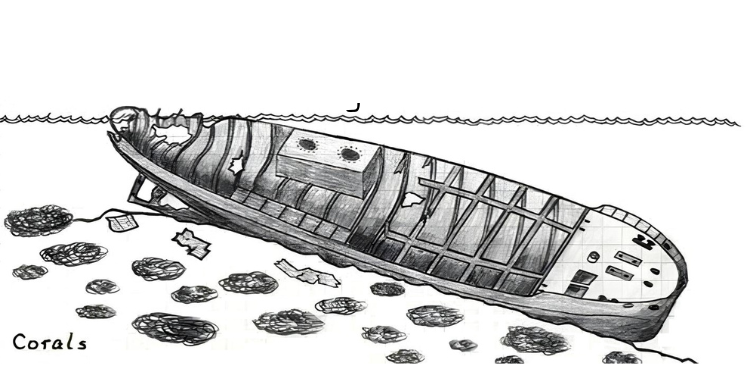
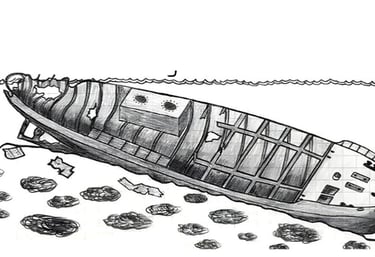
Lusong Gunboat
Depth: 5–10m | Length: 30m
The smallest and shallowest wreck in Coron Bay — and the only one accessible to snorkellers. The Lusong Gunboat sits in such shallow water that part of the structure breaks the surface at low tide. It is densely covered in some of the most colourful hard and soft corals of any site in Coron, and the fish life in the shallow reef is exceptional. This is the ideal introduction to wreck diving for beginners.
Book Your Dives with Corto Divers
Corto Divers is a PADI dive centre in Coron Town, a 15-minute walk from Corto del Mar Hotel. The team runs daily dive trips to all major wreck and reef sites in Coron Bay, with small groups and experienced local guides who know every wreck in detail.
Fun dives start at ₱5,400 for 2 dives — including all equipment, marine park fees, lunch and drinks on the boat. Never dived before? The Discover Scuba Diving experience (₱6,800) includes an in-water skills session, 1–2 guided dives, all equipment, marine park fees, and lunch and drinks on the boat. No prior experience needed. Book at the hotel front desk.
4.9 / 5
561
Reviews
Rated
Where to Stay for Diving in Coron
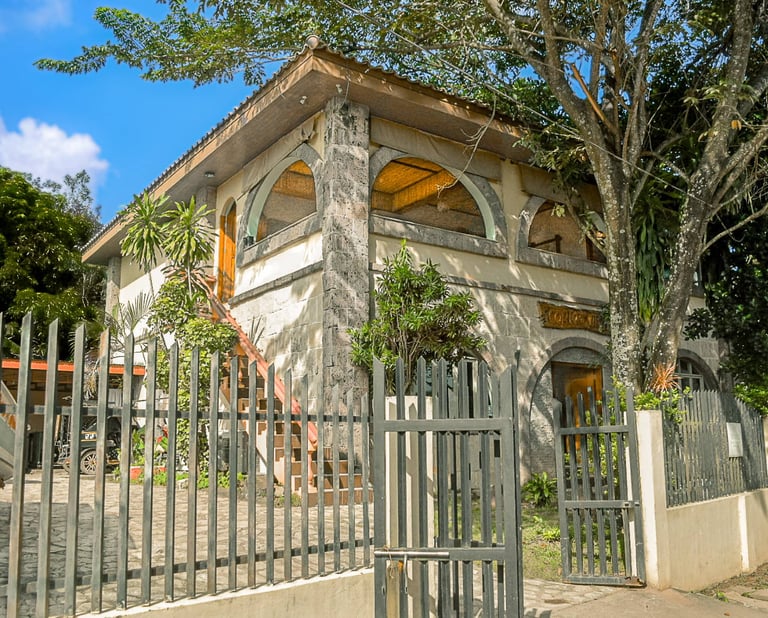
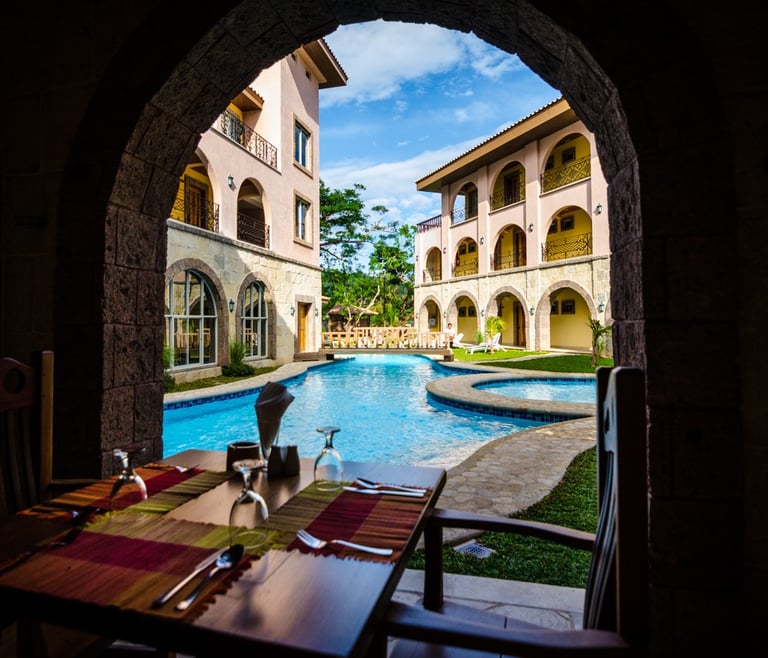
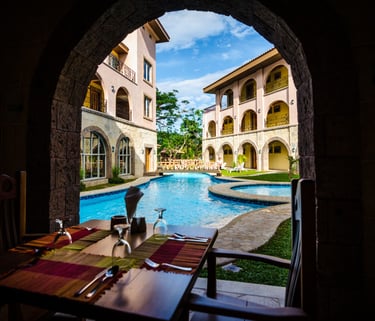
Corto del Mar Hotel is in the heart of Coron Town — walking distance from the main wharf where all dive boats depart and 15 minutes from Corto Divers. A 32-room boutique hotel with a pool, restaurant and bar: everything you need for a diving trip without the inconvenience of a remote island resort. After a two-tank day on the wrecks, a cold pool and a proper meal matter.
Rated 8.8 on Booking.Com from over 1,600 guests, Corto del Mar is Coron Town's top-rated hotel for divers and island hoppers alike. We currently have an ongoing Book Direct promotion on our website — rates are significantly lower than Booking.Com, Agoda and other OTAs. Book at cortodelmar.com for the best available rate, with instant WhatsApp confirmation and flexible cancellation.
Diving in Coron — Frequently Asked Questions
Is Coron good for scuba diving?
Coron is consistently ranked among the top five wreck dive destinations in the world. The bay contains ten Japanese WWII shipwrecks sunk in a single 1944 Allied air attack, now covered in coral and marine life. Visibility typically ranges from 12 to 25 metres, water temperature stays at 26–29°C year-round, and dive depths range from 5 to 43 metres — suitable for all certification levels.
Can beginners dive in Coron?
Yes. Several of Coron's wrecks are suitable for Open Water certified divers outside the wrecks — particularly the Okikawa Maru (deck at 10–16m) and the Lusong Gunboat (5–10m). Complete beginners can also dive through a Discover Scuba Diving experience (no certification needed) — Corto Divers offers this for ₱6,800, which includes an in-water skills session and 1–2 guided dives.
What certification do I need for wreck diving in Coron?
Open Water certification is sufficient for outside shallower wrecks like the Okikawa Maru and Olympia Maru. Advanced Open Water is recommended for the Akitsushima, Kogyo Maru. The Irako requires experienced Advanced Open Water divers at minimum, with Deep Diver and Wreck Specialty certifications strongly advised. PADI courses for all levels are available through Corto Divers at the hotel.
How much does diving cost in Coron?
Fun dives with Corto Divers start at ₱5,400 for 2 dives, including all equipment, marine park fees, lunch and drinks. A Discover Scuba Diving experience is ₱6,800 — full details and course rates at cortodivers.com/prices. All bookings can be made at the Corto del Mar Hotel front desk.
When is the best time to dive in Coron?
Coron's wrecks can be dived year-round. The dry season from November to May offers the best visibility — up to 30 metres in ideal conditions — with calm seas and reliable weather. The rainy season from June to October brings slightly reduced visibility (12–20m) and occasional rough sea days, but also smaller crowds and lower rates. Water temperature stays at 26–29°C throughout the year.